Articles Tagged with California Consumer Privacy Act

AdobeStock_2125193040-300x200
Whether in Silicon Valley or beyond, businesses increasingly use biometric identification systems, website analytics, and online tracking technologies to improve office security, evaluate customer behavior, and streamline business operations. These technologies can create litigation exposure when companies collect, use, or disclose personal information without complying with applicable California privacy laws.

California companies may face claims involving facial recognition, employee fingerprint systems, website tracking pixels, and the unauthorized disclosure of customer information. This article examines where those claims can arise and what measures businesses can take to manage these risks.

What is Biometric Information?

AdobeStock_505784791_Editorial_Use_Only-300x200Although platforms like Slack and Teams have become indispensable tools for modern collaboration, their widespread adoption raises crucial legal and compliance challenges for organizations. These platforms store a vast amount of user data, including messages, files and even employee metadata. They are subject to stringent data privacy regulations like the General Data Protection Regulation (GDPR) and the California Consumer Privacy Act (CCPA). The GDPR has stricter regulations for EU citizen data privacy, demands explicit opt-in consent and grants extensive data subject rights like access and erasure. On the other hand, the CCPA, which is focused more on California residents, prioritizes data transparency and consumer control through access, deletion and opt-out mechanisms for data sales. Yet/overall, both regulations emphasize the importance of user empowerment regarding their data, requiring organizations to implement robust data protection measures and obtain informed consent for data storage and usage.

While conversation platforms offer significant collaboration benefits, their use necessitates navigating data privacy and compliance complexities. As such, organizations must prioritize user rights by:

  • Informed User Consent: Organizations must obtain explicit user agreement for data storage and usage. This involves clearly outlining the types of personal data collected, the purpose of collection, and how the data will be used in accordance with data privacy regulations.

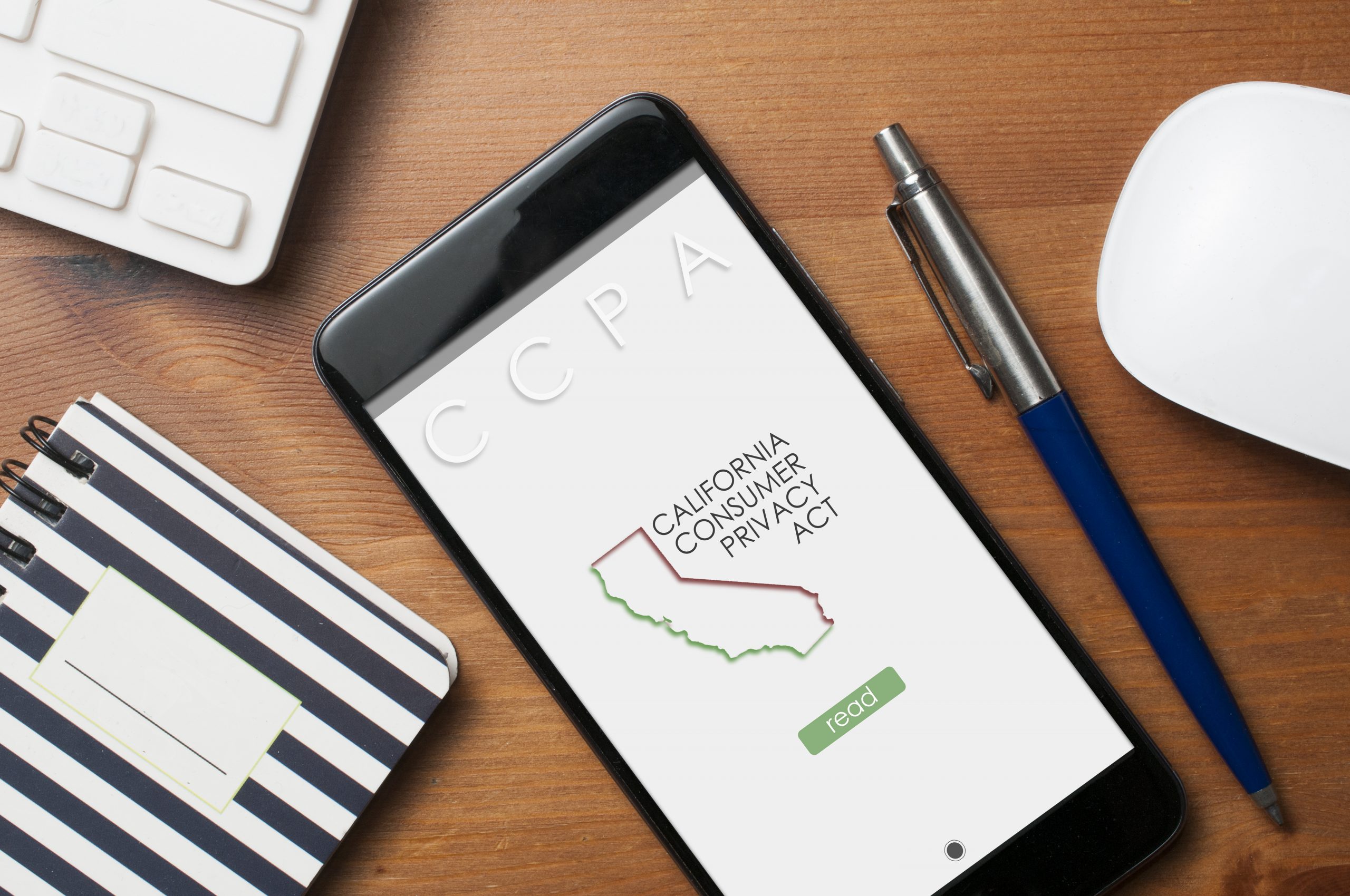
AdobeStock_310940613-300x199Whether your company is headquartered or has a presence in California, you need to be aware of the California Consumer Privacy Act (CCPA), which went into effect in 2020. The consumer-friendly law applies to startups, companies, and other businesses that collect personal information from Californians.

The CCPA, which is intended to protect the privacy rights of consumers within the State of California, may require your business to make significant changes to your data privacy and collection practices.

Read on to find out whether or not the California Consumer Privacy Act may impact your startup and learn what you can do to ensure that your business is in compliance with the CCPA.

Contact Information